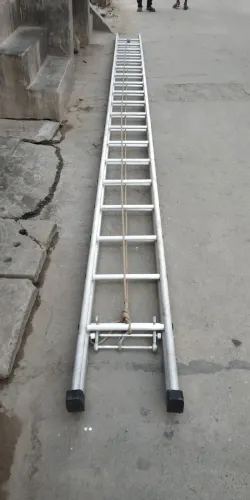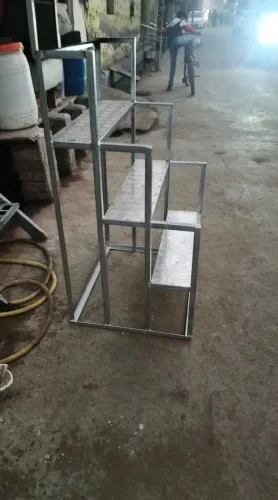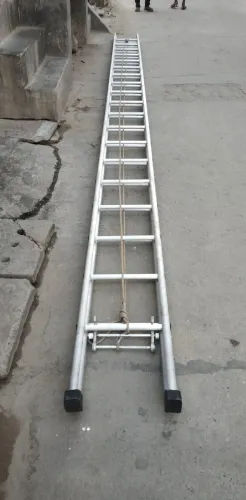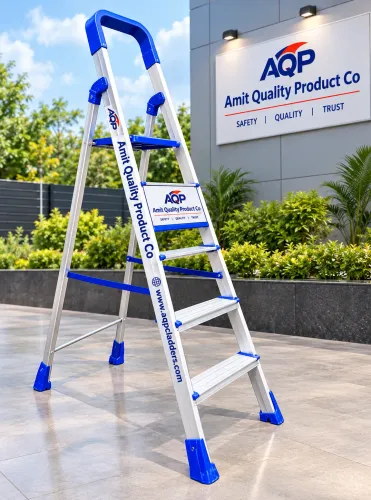

#Ropeladder is a lightweight, flexible climbing device made from ropes and evenly spaced rungs. It has been used for centuries in ships, treehouses, rescue operations, military training, and adventure activities. Because of its simplicity and portability, it remains an essential tool in many settings
Construction
Ropes Traditionally made from natural fibers such as hemp or jute but modern versions use nylon, polypropylene, or other synthetic materials for strength and weather resistance.
Rungs Often made of wood, metal, or reinforced plastic. Rungs are tied or spliced into the rope at regular intervals to create stable footholds.
Flexibility
A rope ladder can be rolled or folded, making it easy to store and transport. Its flexible nature allows it to conform to uneven surfaces and be deployed in tight spaces.
Lightweight but Strong
Despite being light, rope ladders can support significant weight, depending on material and construction quality. This balance between portability and strength makes them ideal for temporary or difficult-to-reach points.
Marine environments
Sailors use rope ladders (such as Jacob’s ladders) to board or disembark ships when a gangway isn’t available.
Climbing and adventure activities
Rope ladders appear in obstacle courses, playgrounds, and outdoor adventure parks because they test balance, grip strength, and coordination.
Rescue and evacuation
Emergency rope ladders can be stored in buildings or vehicles and deployed quickly from windows during fires or other emergencies.
Treehouses and camping
They offer a compact and simple way to climb into elevated structures without installing a permanent staircase.
Advantages
Portable and compact
Easy to deploy
Works in locations where rigid ladders can't be used
Often inexpensive
Disadvantages
Less stable than rigid ladders
Requires balance and careful footing
Can sway or twist in windy conditions
Construction
Ropes Traditionally made from natural fibers such as hemp or jute but modern versions use nylon, polypropylene, or other synthetic materials for strength and weather resistance.
Rungs Often made of wood, metal, or reinforced plastic. Rungs are tied or spliced into the rope at regular intervals to create stable footholds.
Flexibility
A rope ladder can be rolled or folded, making it easy to store and transport. Its flexible nature allows it to conform to uneven surfaces and be deployed in tight spaces.
Lightweight but Strong
Despite being light, rope ladders can support significant weight, depending on material and construction quality. This balance between portability and strength makes them ideal for temporary or difficult-to-reach points.
Marine environments
Sailors use rope ladders (such as Jacob’s ladders) to board or disembark ships when a gangway isn’t available.
Climbing and adventure activities
Rope ladders appear in obstacle courses, playgrounds, and outdoor adventure parks because they test balance, grip strength, and coordination.
Rescue and evacuation
Emergency rope ladders can be stored in buildings or vehicles and deployed quickly from windows during fires or other emergencies.
Treehouses and camping
They offer a compact and simple way to climb into elevated structures without installing a permanent staircase.
Advantages
Portable and compact
Easy to deploy
Works in locations where rigid ladders can't be used
Often inexpensive
Disadvantages
Less stable than rigid ladders
Requires balance and careful footing
Can sway or twist in windy conditions
Keywords